Animal & Wildlife Photography Tips and Techniques
Photographing animals, whether your cat at home or a cougar in the great outdoors, requires patience, perseverance and an understanding of animal behaviour so you can predict how they will be likely to act or react, and anticipate the moment for a good photograph.
If you consider an animal's character in the same way you do when photographing people, and try to capture it on film, you won't go far wrong. Make sure you know what you want your images to say about the animal before you start clicking away, and then put your knowledge of composition, lighting and angles to work to get the picture you want.
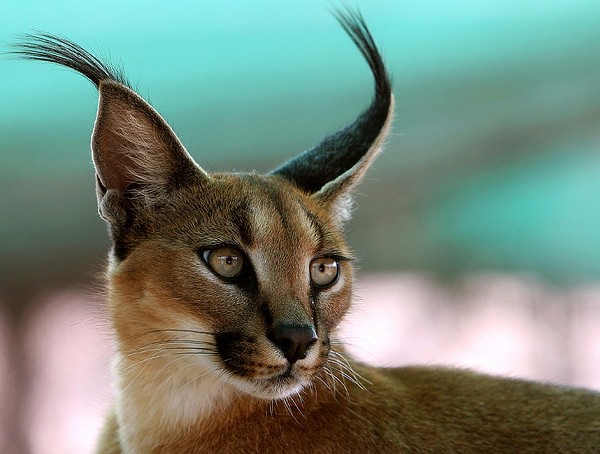 | YOU ARE MORE IMPORTANT THAN ANY PICTURE No shot is worth risking your safety when dealing with animals. Stay in the car if there is a bear or a buffalo on the road. A wild animal's reaction to your presence is unpredictable and even if they look so docile you feel you could walk up and pet them, remember, they can hurt and even kill you. Don't ever follow a dangerous animal into the woods because you didn't get its picture. You wouldn't dive into an alligator pool, and for the same reason, you shouldn't follow behind a cougar or a moose. And please don't pet a porcupine.  |
PATIENCE After the word "safety," the next three important words that govern animal photography are patience, patience and patience. Photography is like fishing in this regard. You often have to wait a long time in the right place to catch the best ones. Patience applies equally when photographing pet and domestic animals. They sometimes seem to have a knack for being uncooperative when you bring out your camera. Keeping calm and taking things one step at a time often helps the animal to relax. | 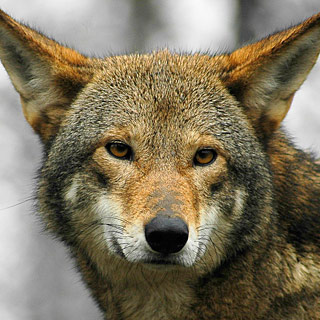 |
People: Pictures of people should say something.
We love to see ourselves in pictures. Probably more than 90% of the photographs in the average photo album are people pictures, not just images that have people in them, but photos where the actual subject is one or more persons. Sure, pictures of pet can be appealing, superb landscapes can take our breath away and undersea images can capture our imagination, but people pictures are in a class of their own. PICTURES OF PEOPLE SHOULD SAY SOMETHING This section of photographytips.com contains tons of information on taking people pictures, from improving the family snapshot to making a formal portait. In every case, good people pictures convey a message. The message can fall into one of several categories. Your picture can, for instance, tell a story, show relationships or provide inspiration. Without a message, a photograph lacks interest. It says nothing, and therefore it gives nothing to the viewer. | 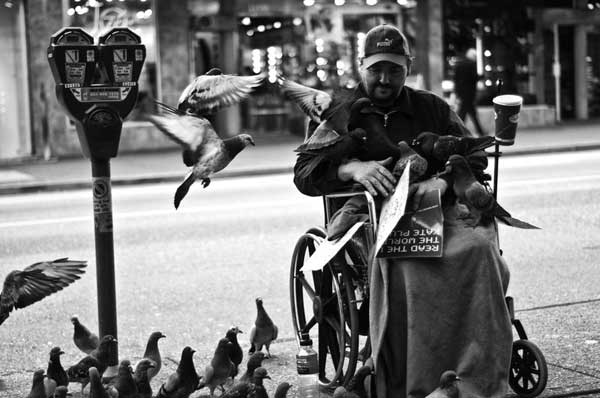 |
 | In most cases, conveying a message is not that difficult. You simply have to think before you click the shutter. Ask yourself what you want your picture to say. Once you have defined it, you are then able to figure out how best to capture it on film. Occasionally, you will see it before you in a candid shot, as with the picture on the right of this family, and will have to capture it quickly before it is interrupted. Even the most common of pictures - a child’s school or sportsparticipation picture, for instance - should have a message. |
Plants: Tips for great photographs of all kinds of plants.
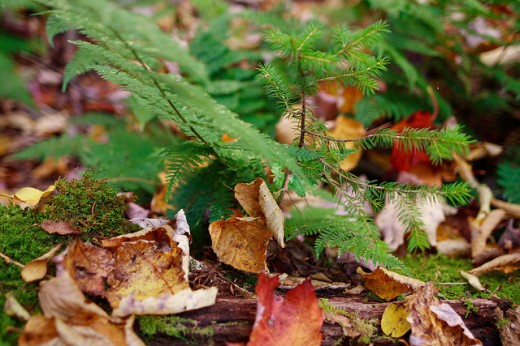 | The objective of many plant photographers is to shoot their subjects in the completely natural state in which they are found, without providing Mother Nature with any assistance whatever, not even to move a twig or leaf, or to remove an offending item from the background. Other photographers do whatever it takes to make the best possible picture of their flora subject, even if it means artificially altering all the natural conditions of the plant or its habitat. |
Most of us fall somewhere between the two opposing philosophies, we want our images to show the natural features of the plant under the most esthetically-pleasing conditions, but we don't want to have unnatural-looking pictures, and we don't want to change Mother Nature. If there is a fast food restaurant wrapper in the foreground, we'll pick it up so it doesn't appear in our picture (and because it should be picked up anyway). If there is a tree branch in the way of the best composition, we won't lop it off for the sake of a photograph. | 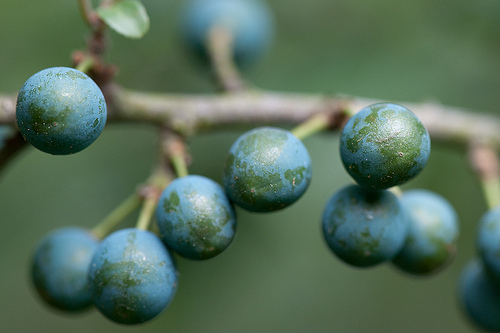 |
Improve your travel experience with great pictures.
|  |
 |
|
